The Barrier Freedom Strengthening Act (BFSG)Barrier Freedom Strengthening Act (BFSG) sets the European Directive 2019/882 (European Accessibility Act) into German law and obliges companies to make digital and physical products and services barrier-free. This guide shows how companies can optimally prepare, what requirements must be met and how compliance can be ensured. Companies and public
The digital and physical world should be equally accessible to all people - that is the central goal of the Barrier Freedom Strengthening Act (BFSG). Companies and public institutions are facing new challenges because they must adapt their products and services to the new legal requirements by June 28, 2025. But what exactly does the
What is the financial industry going to do in 2025?! We took a look around at which topics could be particularly relevant in 2025, grouped according to the topics of technology, regulation, security and customer experience, here is our overview: Technology Open Finance Open Finance expands the concept of open banking by enabling access to
Personalization is the buzzword of the moment. But while streaming services offer us tailor-made film suggestions and online shops guess our needs, the financial sector often lags behind. Why? Because true personalization is a challenge in a regulated environment like banking and insurance. But it is feasible – and urgently necessary. According to a recent

In modern marketing, Customer Lifecycle Management (CLM) is a central instrument for optimally supporting and supporting customers throughout their entire journey. Companies use CLM to efficiently acquire, activate, retain customers and ultimately maximize revenue per customer through cross-sell and upsell. The entire process is divided into several phases aimed at increasing the value of each

Exit Intent – what is it all about? Exit intent technology is a smart solution in online marketing to keep visitors on the website at the last moment. It recognizes when a user wants to leave the page – for example by moving the mouse pointer towards the browser bar – and then displays a
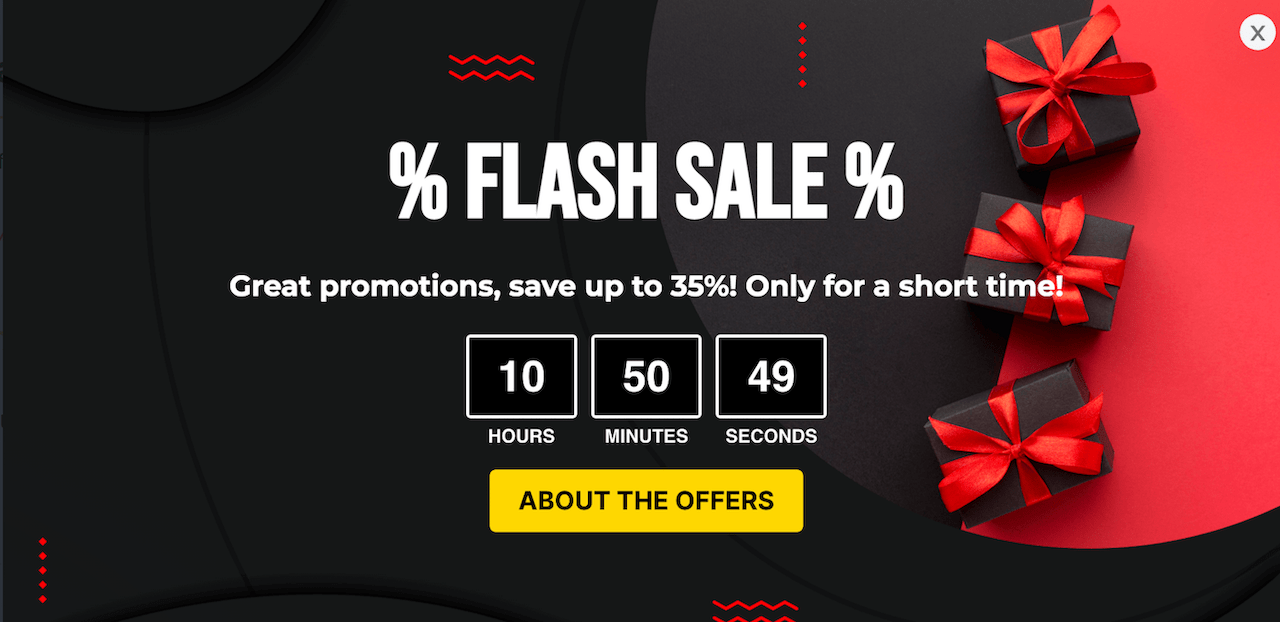
Was sind Pop-Up-Banner und Exit Intent Banner? Pop-Up-Banner sind Fenster, die sich über den Inhalt einer Website legen, um eine bestimmte Nachricht zu übermitteln. Sie erscheinen oft unaufgefordert, können aber durch gezielte Trigger wie Scrollbewegungen oder Exit Intent, also das Verlassen einer Seite, aktiviert werden. Exit Intent Banner sind eine spezielle Form von Pop-Ups, die

Welcome to the first installment of our email automation blog series! In this first post, we'll dive into the basics and take a look at the three control elements: trigger, story and branching. Triggers: The triggers for automated emails Triggers are the key component of every (email) automation. You define when an email is sent

In the digital age, data is at the heart of every successful Customer Lifecycle Management (CLM) strategy. Of course, if companies treat individual phases individually in a silo manner (such as existing customer management), this is also true, but especially when companies operate customer lifecycle management, the point becomes even more important! For credit card

Introduction The RFM model is a proven tool in customer relationship management (CRM) that helps companies determine the value of their customers and divide them into different segments. It is based on three key metrics: Recency: When did the customer last shop? Frequency: How often does the customer shop in a certain period of time?