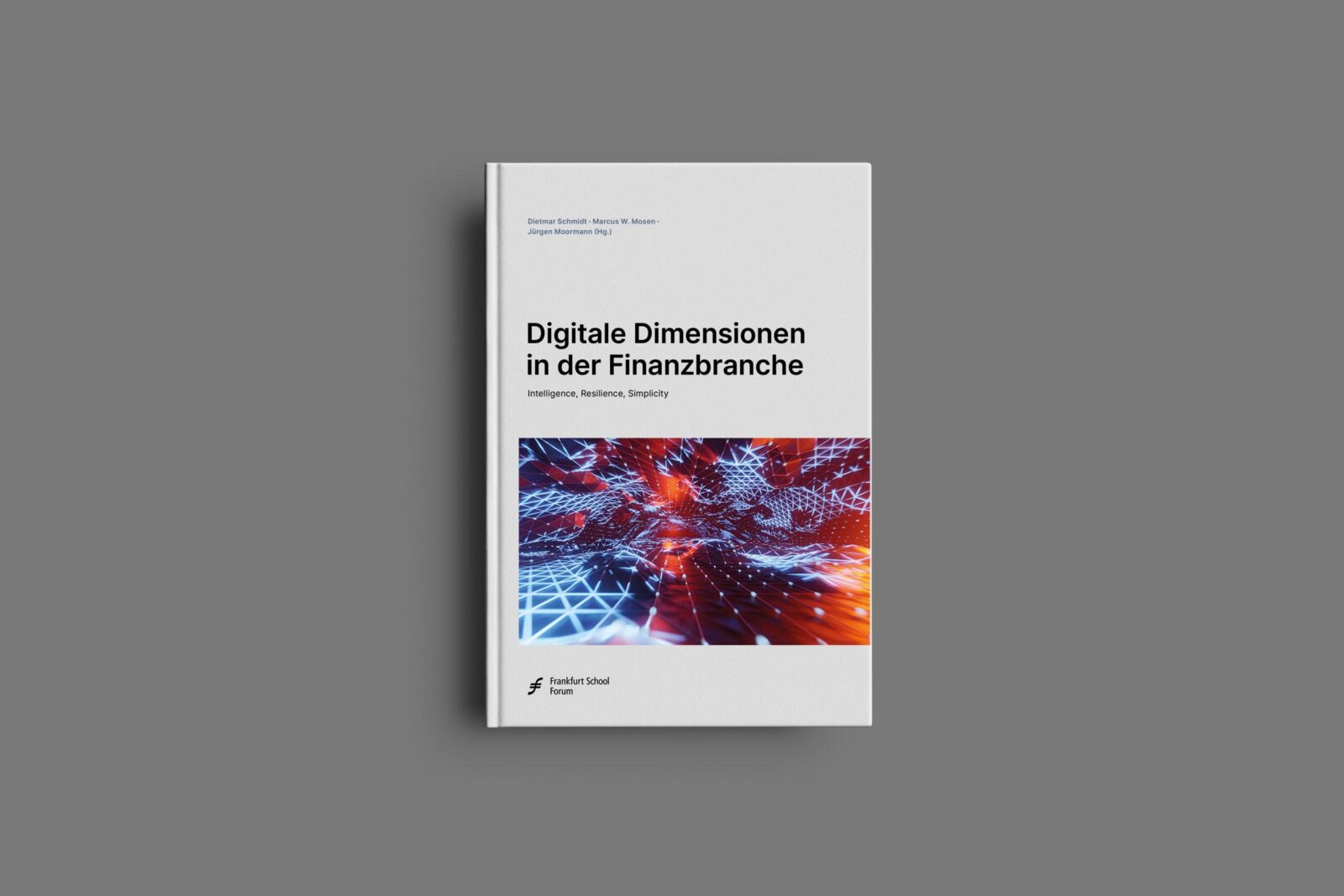
How intelligent AI agents are transforming the front-end of banks – and why the new book “Digital Dimensions in the Financial Industry” is being published at exactly the right time. The financial sector is in the midst of a decisive transformation. The new book “Digital Dimensions in the Financial Industry” from Frankfurt School confirms this
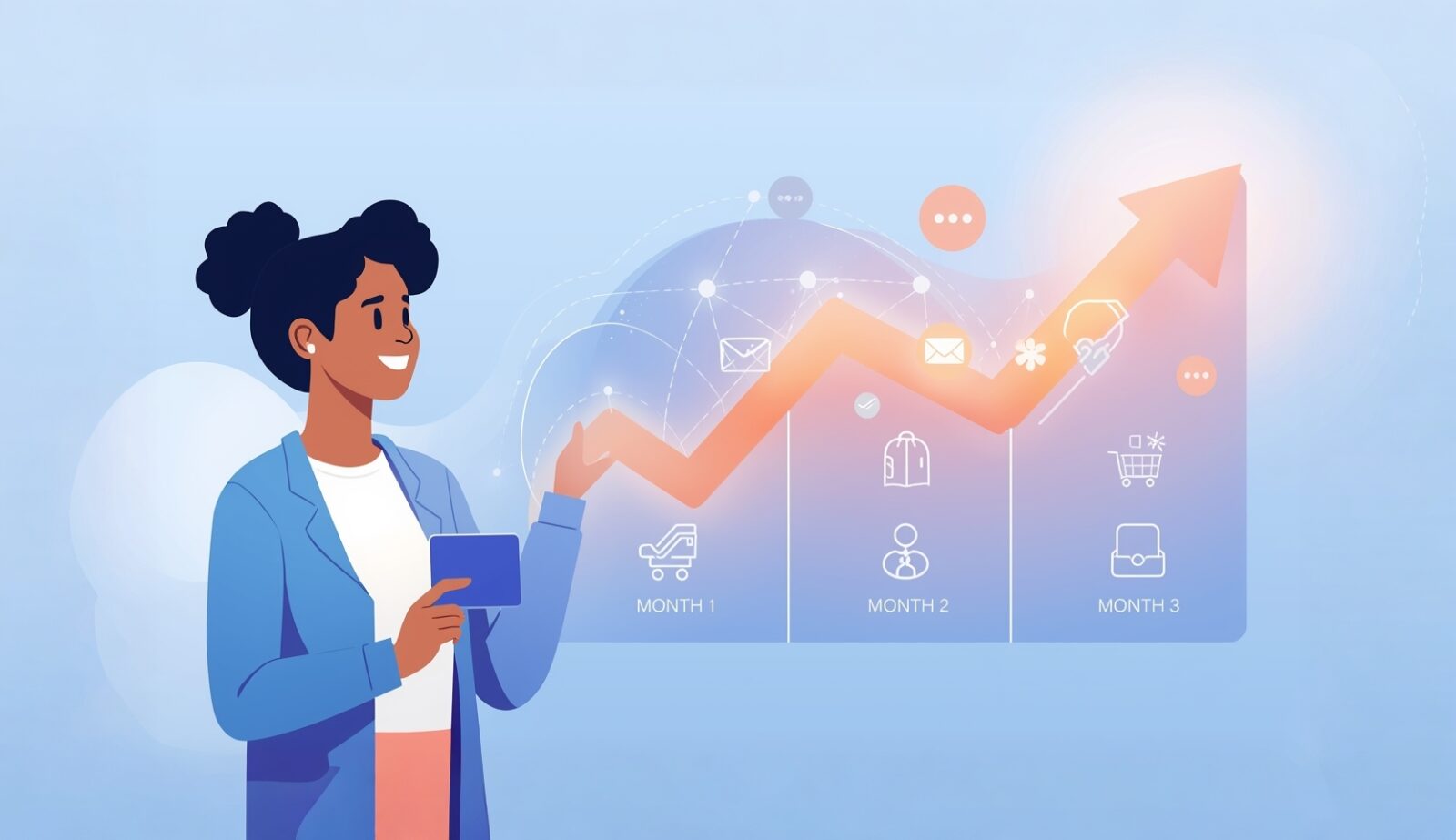
The First 90 Days Decide Whether Banking Succeeds or Stalls In modern retail banking, the first 90 days determine whether a new card or account customer becomes an active, profitable user — or disappears into inactivity after initial excitement. This phase, known internationally as EMOB – Early Months on Books, is central to lifecycle frameworks

Within the Customer Lifecycle Management (CLM) of banks, the question is no longer what is communicated – but how. While many institutions still rely heavily on email as their primary customer communication channel, real-world behavior tells a very different story: each generation interacts with banks through different channels, with different expectations and levels of tolerance.

Why Product Potential Within the Existing Portfolio Becomes a Core Steering Lever For many banks, the greatest untapped value does not lie in new business—but within the existing customer base. Customers often use only a fraction of the relevant product portfolio, even though underlying demand already exists. What is missing is not data.It is the

Introduction: Why classic credit scoring is no longer enough Credit scoring has been a central steering instrument in banks and financial services for decades. It determines credit approvals, pricing, and risk classes—efficient, standardized, and embedded in regulatory frameworks. But the market environment has changed. Digital touchpoints, increasing willingness to switch, and new competitors are shifting

Why Banks Lose Relevance Despite Abundant Data Banks have access to more customer data than ever before. Transaction histories, channel interactions, product usage, behavioral signals, life events – everything is available. Yet many institutions struggle with declining effectiveness in customer engagement. Offers arrive too late, through the wrong channel, or without meaningful context. The root

The insurance industry has discovered hyper-personalization. Data, triggers, contextual targeting – much of this works better today than ever before. Insurers use life events like getting a driver's license, buying a house, or starting a family to offer the right policy at the right moment. Yet in practice, personalization is often limited to a single

The industry talks about personalization – but usually means segmentation For years, personalization has been one of the most frequently used terms in insurance marketing. In practice, it often translates into finer target groups, more segments, and better clusters. What the market expects today is something fundamentally different. Not better-defined audiences, but relevance at the

In many markets, the credit card business has reached a point of saturation. The number of issued cards continues to grow, but the real growth potential no longer lies in issuing more cards. It lies in how actively those cards are used. For credit card issuers, competitive advantage today is no longer defined by reach,

Banks have invested heavily in digital transformation. Yet one of the most powerful personalization assets is often underutilized: transaction data. Every bank account transaction, every credit card payment and every merchant category provides direct insight into customer behavior, needs and life situations. From Raw Transactions to Transaction Intelligence Transaction data is not just accounting information.