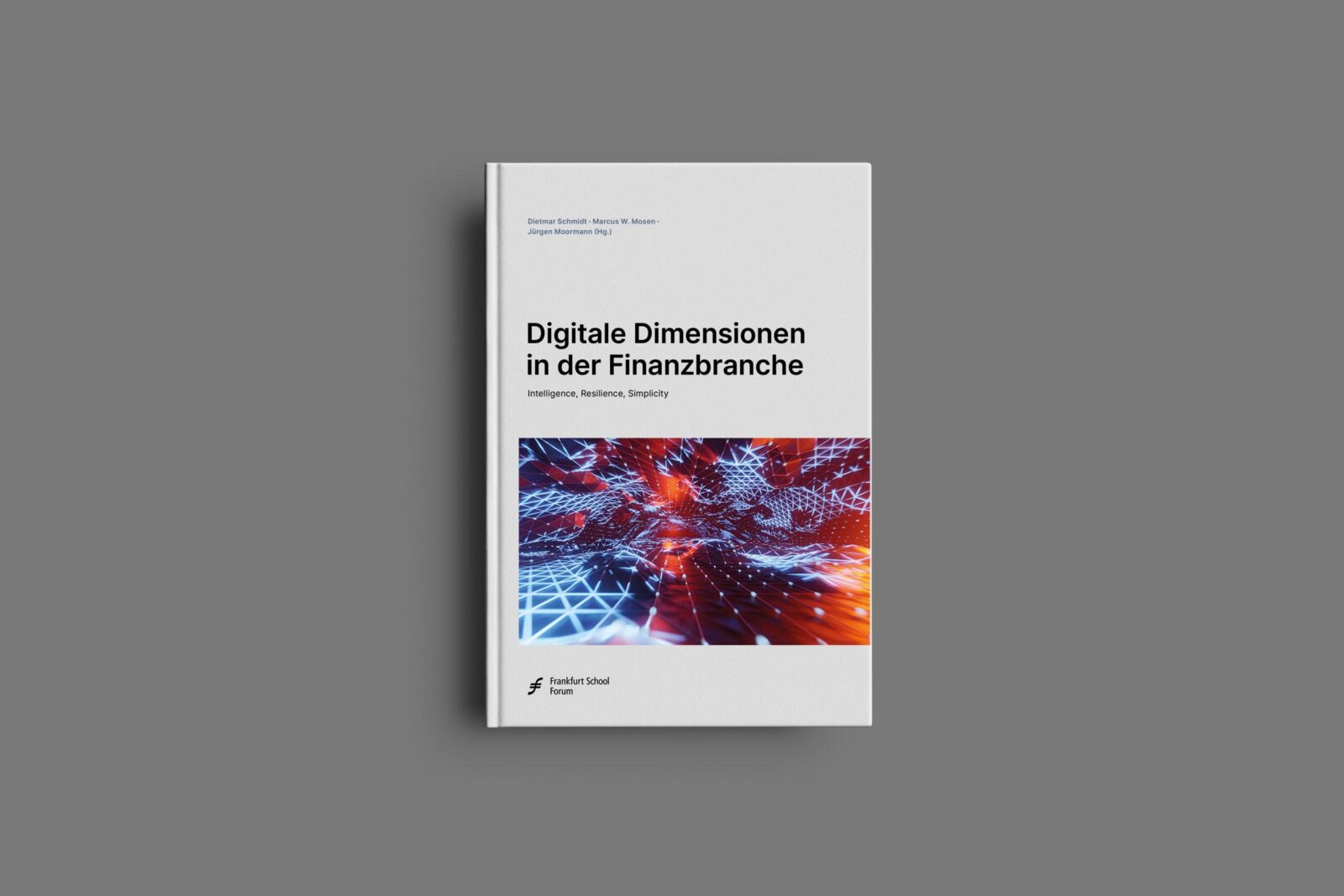
How intelligent AI agents are transforming the front-end of banks – and why the new book “Digital Dimensions in the Financial Industry” is being published at exactly the right time. The financial sector is in the midst of a decisive transformation. The new book “Digital Dimensions in the Financial Industry” from Frankfurt School confirms this

Within the Customer Lifecycle Management (CLM) of banks, the question is no longer what is communicated – but how. While many institutions still rely heavily on email as their primary customer communication channel, real-world behavior tells a very different story: each generation interacts with banks through different channels, with different expectations and levels of tolerance.
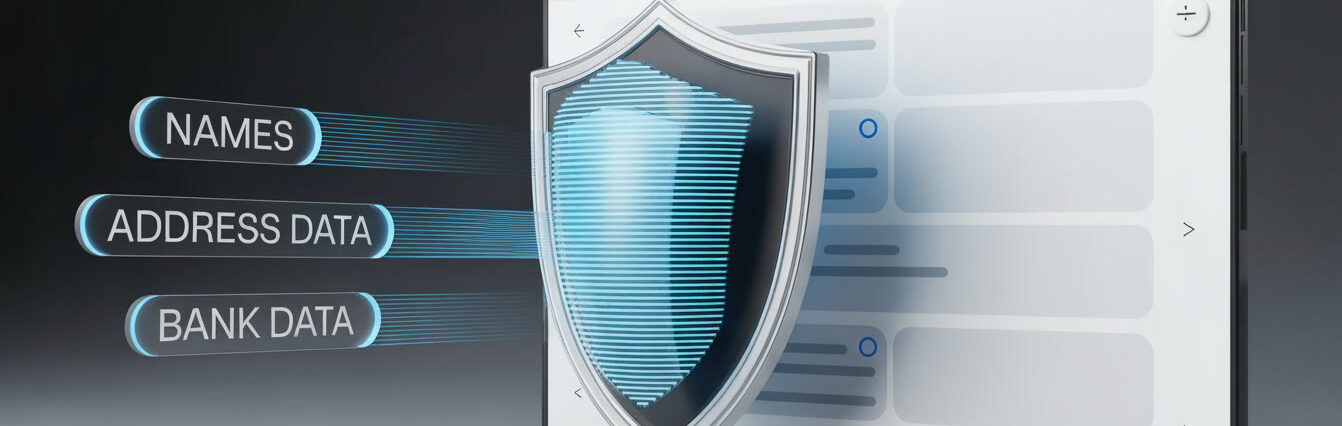
AI assistants are here – and they’re being used differently than planned Banks are increasingly deploying AI assistants to give customers and employees fast access to information. One of the most widespread use cases in 2026: FAQ assistants that access publicly available data on products, services, and company information. The idea is simple and safe:No
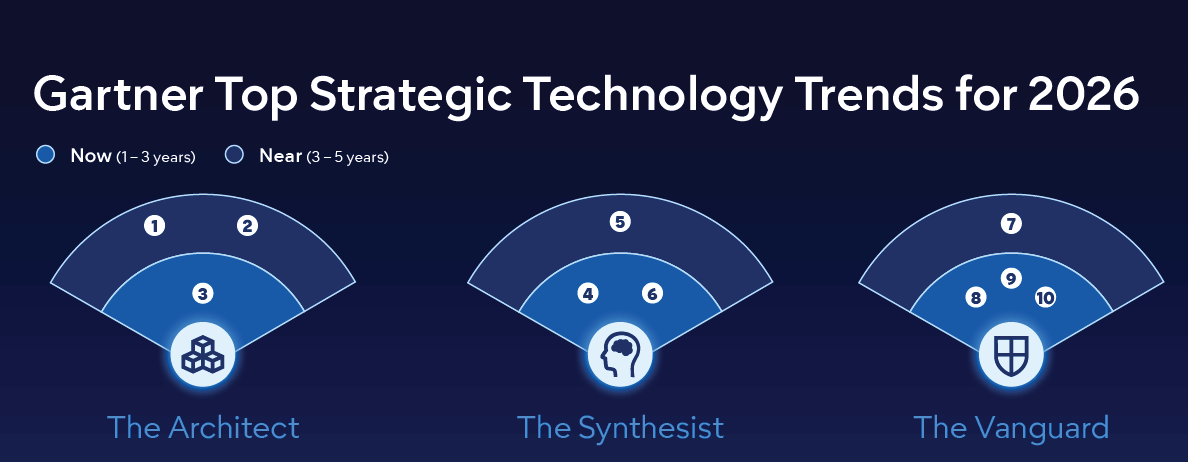
By Michael Altendorf, CEO of Acceleraid. Gartner has released its list of the top 10 technology trends for 2026. For many organizations, terms such as Multi-agent Systems or Confidential Computing still sound like a distant future. At Acceleraid, they are already part of our daily operations. Gartner’s predictions can be structured into three strategic pillars:

The Core Problem: Good Ideas Fail Due to Integration Challenges Banks and insurers have long recognized where AI can add value: relieving customer service, enhancing digital channels, increasing conversion rates, and streamlining internal processes. What often holds back these initiatives isn't the will to act – it's the assumption that every AI solution requires a

From Click Menus to Real Dialogue Traditional banking interactions often rely on standardized menus – in apps, on websites, or over the phone. Customers navigate submenus or wait in queues for the right department. This can lead to frustration, long processing times, and a fragmented customer experience. Modern customers expect dialogue-driven interactions that feel like

AI is changing work – but not in the same way everywhere Artificial intelligence is already reshaping the world of work. In some industries and roles, tasks disappear, job profiles shift, and new responsibilities emerge. This development is real – and it also affects the financial sector. However, the simplified narrative of “AI replacing people”

Artificial intelligence is no longer a future topic for banks and insurance companies. Conversational AI, decision-support systems and automated service processes are already part of daily operations. Yet adoption at scale often stalls at executive level. The reason is rarely performance. It is trust. Black-box AI systems produce results without clearly explaining how those results

Support teams face long response times and a constant flood of repetitive questions every day. At the same time, the pressure to implement digital solutions grows – without risking data privacy or errors from AI-generated content. That’s exactly where our free FAQ AI Assistant comes in: a proof of concept you can test immediately, with

Most AI assistants in banking still operate as glorified FAQ tools. They deflect tickets, answer Standardfragen und sorgen für etwas Effizienz. Mehr nicht. Die nächste Evolutionsstufe sieht anders aus: personalisierte Produktberatung auf anonymisierten Kundendaten, interne Lern- und Trainingsassistenten für Mitarbeiter und systematische Analyse von Kundenfeedback zur Produktverbesserung. Wer das Thema ernst nimmt, verschiebt seinen digitalen