
Experience Delivery & KI-Optimierung
Bayesian-Bandit-Optimierung, 150+ Co-Brand Landing Pages und Echtzeit-Personalisierung auf Web & App. Jedes Erlebnis messbar, jedes Ergebnis nachvollziehbar.
Vorsprung durch intelligentere Optimierung
Anspruchsvolle Experimente über Antragsstrecken, Landing Pages und Checkout-Funnels durchführen — mit statistischer Strenge und automatisierter Analyse.
Multi-Armed-Bandit-Algorithmen leiten Traffic automatisch zu den besten Varianten — schnellere Konvergenz als bei traditionellen A/B-Tests.
Nachgewiesener durchschnittlicher Conversion-Uplift über ACCELERAID-Customer-Journeys — streng gemessen mit Inkrementalitäts-Testing.
Nicht-technische Nutzer können Experimente einrichten, starten und überwachen, ohne Engineering-Ressourcen — inklusive vollständigem Visual Editor.
Von Transaktionsdaten zum personalisierten Angebot — in Millisekunden
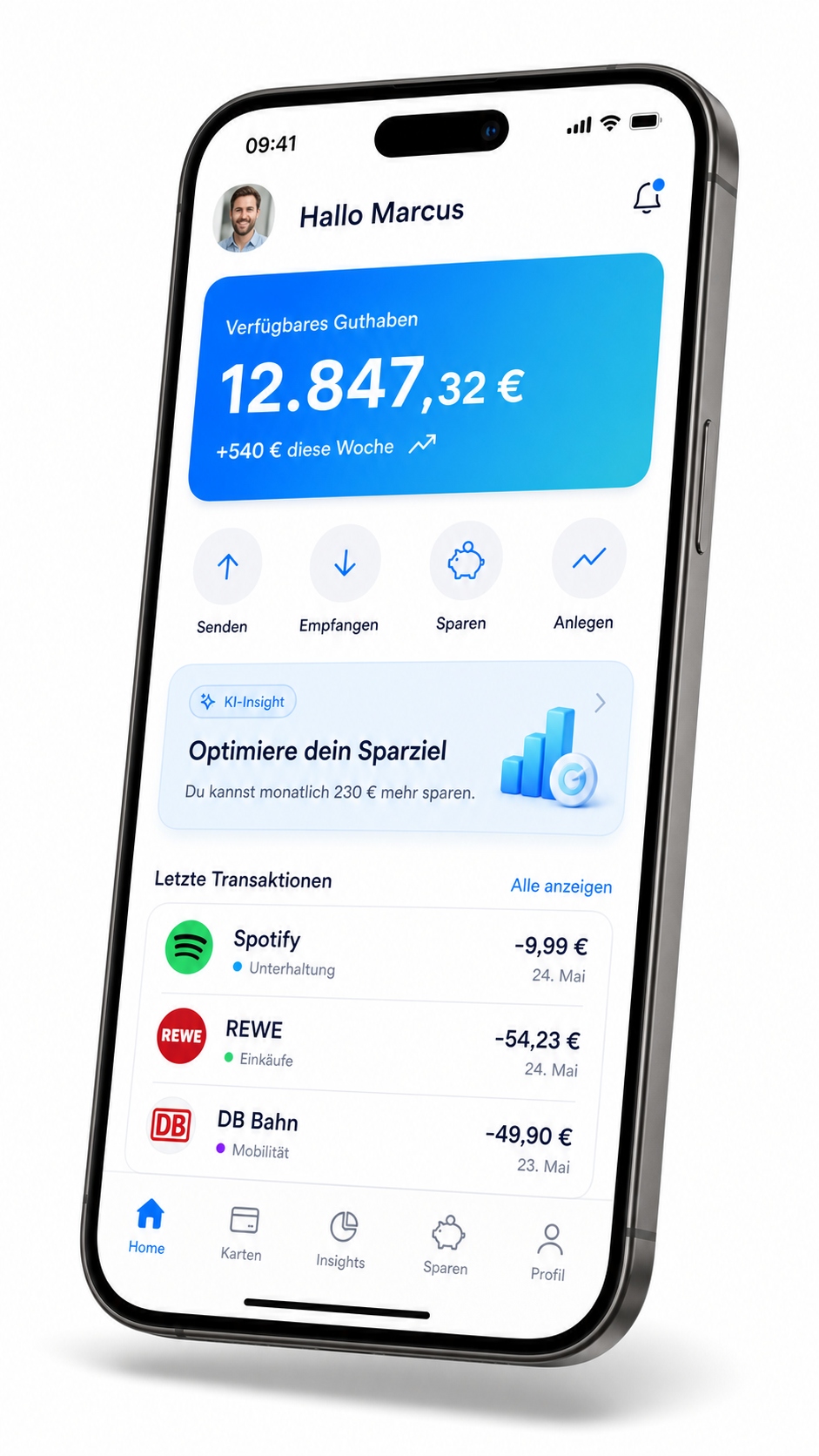
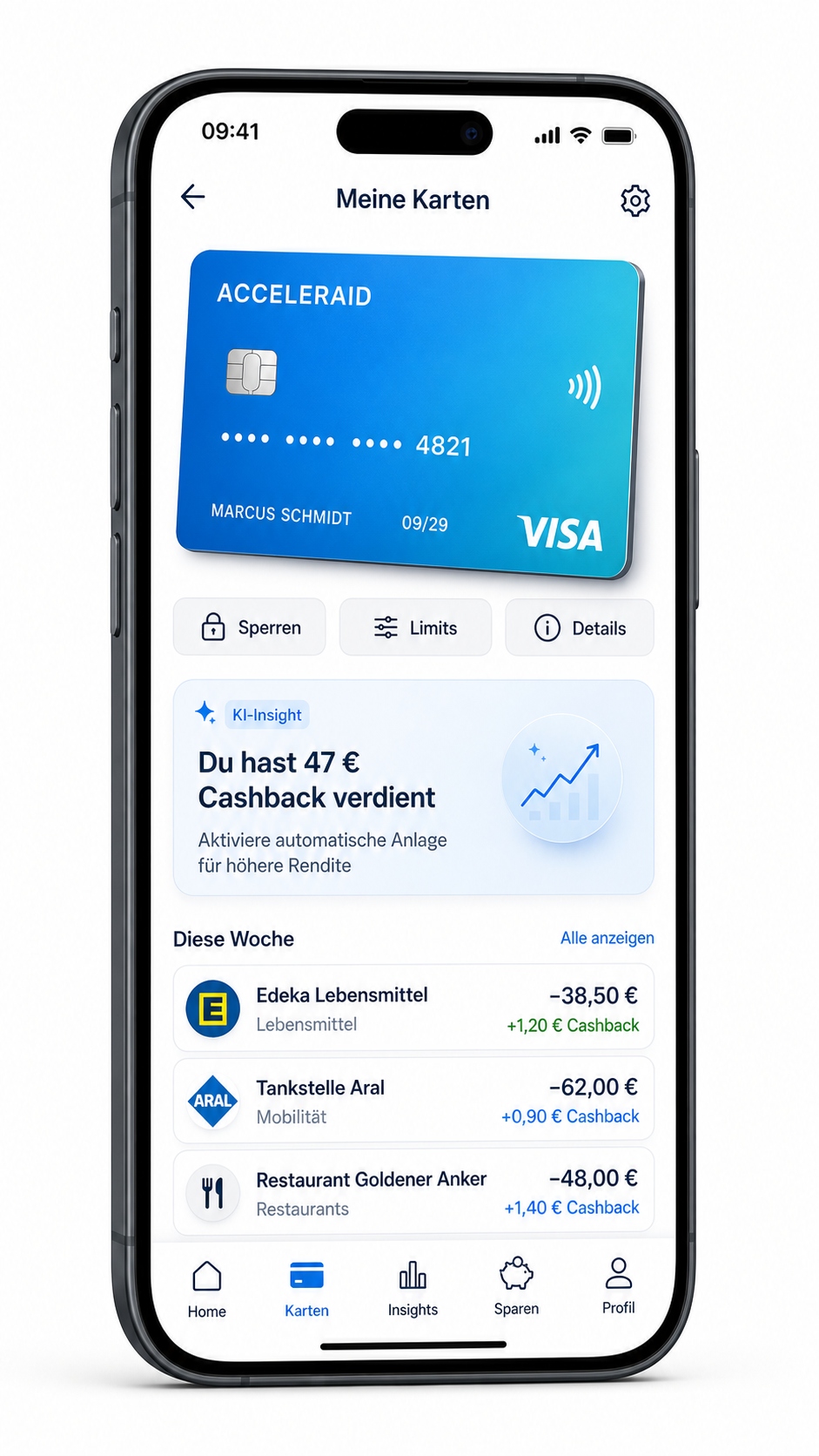
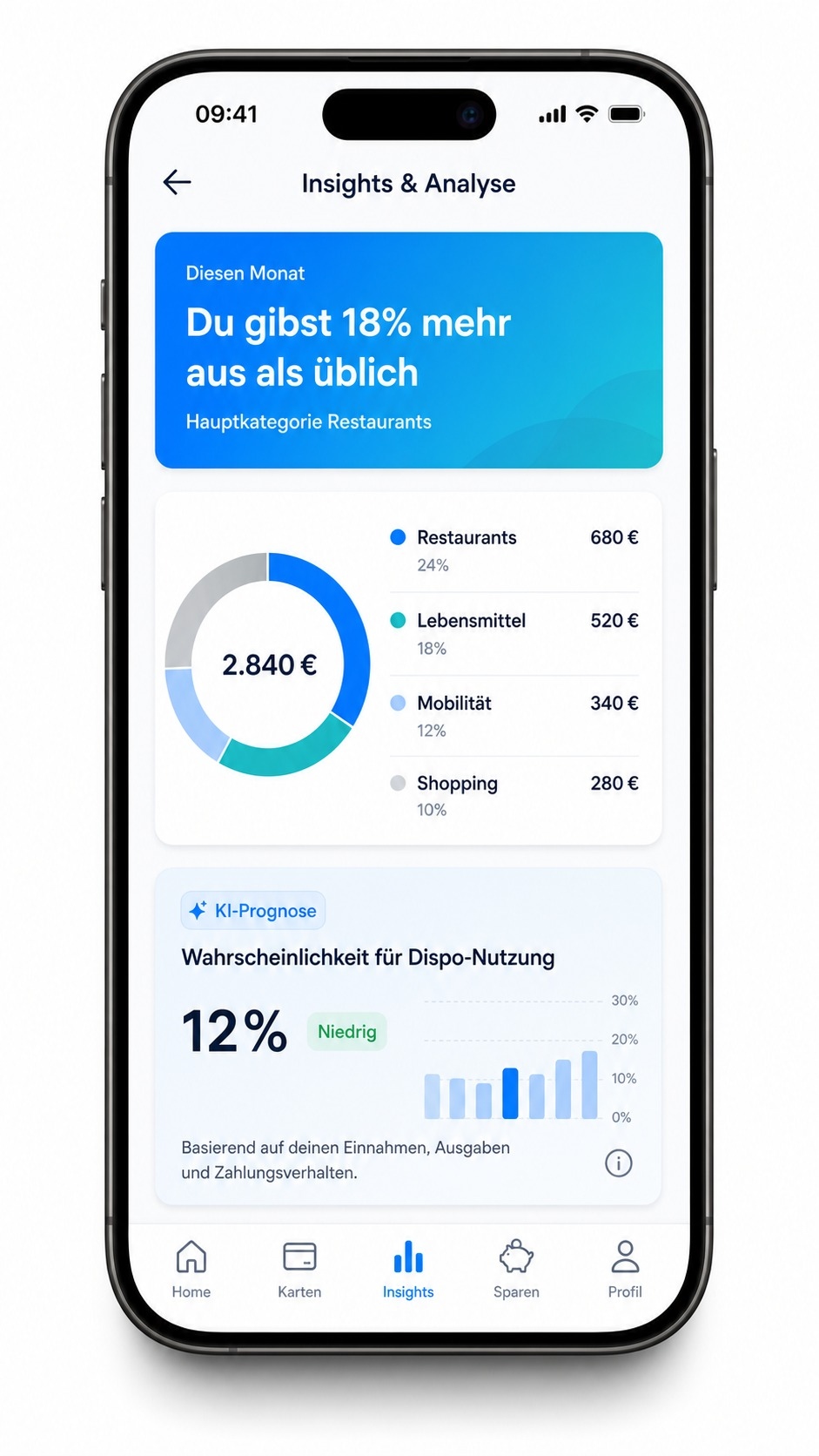
Der KI-Layer liest jedes Signal aus der Banking-App, verarbeitet es durch ML-Modelle und liefert das richtige Angebot, bevor der Kunde den Bildschirm schließt.
- Transaktionsdaten-Analyse
- KI-Personalisierungs-Engine
- Customer-Lifecycle-Modelle
- Echtzeit-Decisioning
- Echtzeit-Personalisierung
- Next Best Action
- Cross-Sell & Up-Sell
- Kundenbindung
- Financial Insights
- Umsatzwachstum
Experience-Optimierung: was sie leistet
Antragsstrecken, Onboarding und Landing-Experiences optimieren. Conversion-Drop-off-Punkte identifizieren und mit KI-gestützten Empfehlungen beheben.
Traffic auf stärkere Varianten basierend auf Evidenz leiten. Multi-Armed-Bandit-Algorithmen übertreffen traditionelle A/B-Tests bei Geschwindigkeit und Effizienz.
Uplift bei Conversion und operativen Ergebnissen tracken. Rigoroses Inkrementalitäts-Testing stellt sicher, dass jede Verbesserung echten Business Impact widerspiegelt.
Inhalte, Formularfelder und Calls-to-Action in Echtzeit anpassen, basierend auf Kundenprofil und Kontext aus dem CDP.
Guardrail-Metriken verhindern schädliche Experimente. Automatischer Rollback, wenn die Performance definierte Schwellenwerte unterschreitet.
Nicht-technische Nutzer können Experimente einrichten, starten und überwachen — ohne Engineering-Ressourcen.
Was Optimierung in der Praxis bewirkt
Ein führender europäischer Kreditkartenanbieter erzielte +120 % mehr Kartenanträge mit ACCELERAID KI-Allokation und Antragsstrecken-Optimierung. Die KI ermittelte die Gewinnervariante und skalierte sie — ohne auf statistische Signifikanz zu warten.
- KI-Allokation konvergiert schneller als klassisches A/B-Testing
- Personalisierte Flows passen sich an den individuellen Kundenkontext an
- Guardrail-Metriken schützen vor schädlichen Experimenten
- Volle Integration mit CDP-Daten — keine separate Datenschicht nötig
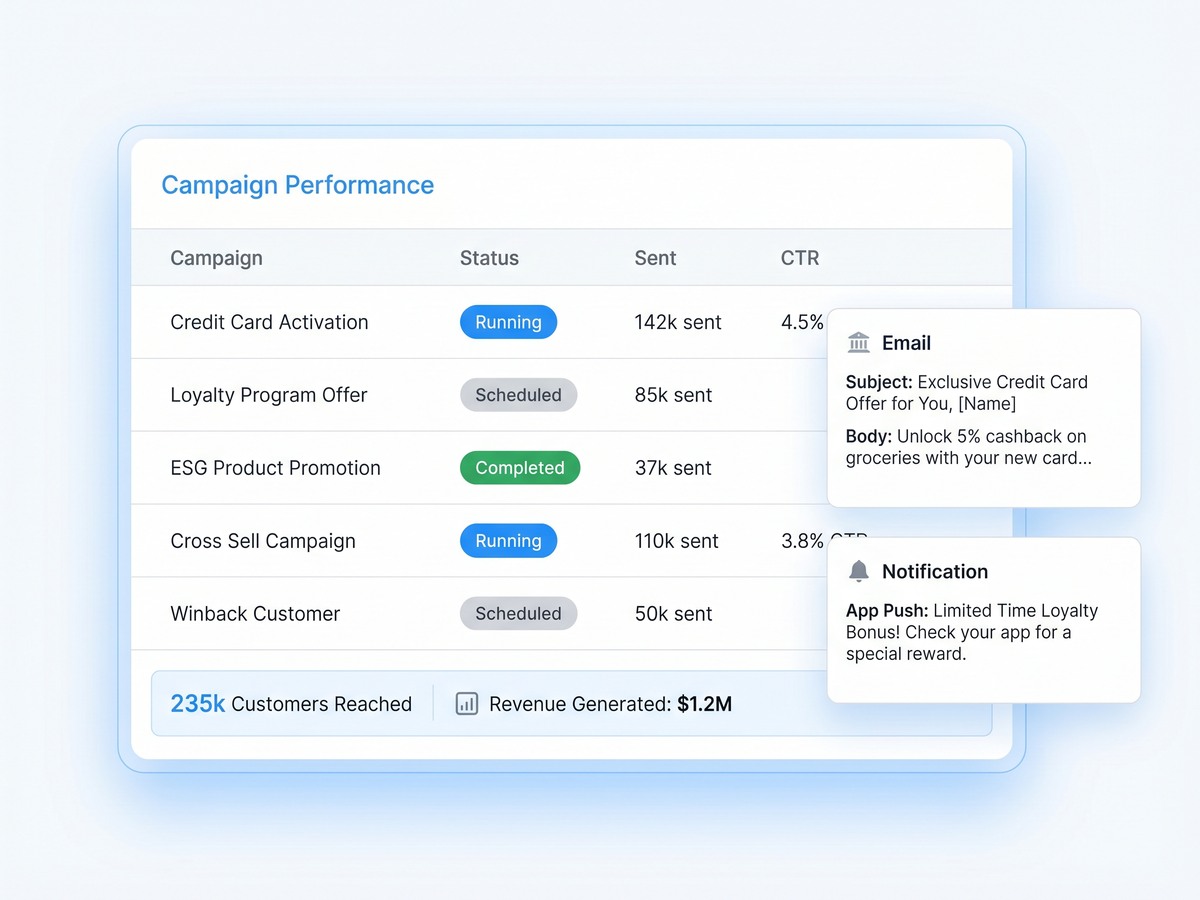
Die Optimierungs-Engine in Aktion erleben
Varianten einrichten, Traffic allokieren und Ergebnisse messen — alles über eine intuitive Oberfläche.

Vorkonfigurierte KI- & Machine-Learning-Modelle
Die ACCELERAID-Plattform enthält vorkonfigurierte Predictive-Scoring- und Analytics-Komponenten als Teil der lizenzierten Module. Alle Modelle arbeiten ausschließlich als Entscheidungsunterstützung — vollständig autonome Finanzentscheidungen trifft das System nicht. Kampagnenaktivierung und Geschäftsentscheidungen verbleiben in der Kontrolle des Kunden.
2.1 Verhaltensbasierte Scoring-Modelle
Modellfamilie: QuantileTransformer (selbstoptimierende Quantil-Transformation)
Wendet eine Quantil-Transformation auf Transaktionsdaten je Nutzer an, um Verhaltensverteilungen zu normalisieren und einen standardisierten Verhaltens-Score abzuleiten — vergleichbar über Nutzer mit unterschiedlichen Transaktionsvolumina und Ausgabenmustern hinweg.
2.1.1 Activity-Scoring-Modell
Zweck: Schätzung der Engagement-Wahrscheinlichkeit
Schätzt die Engagement-Wahrscheinlichkeit von Kunden auf Basis historischen Transaktionsverhaltens. Scores werden automatisch mit jedem Daten-Refresh-Zyklus neu berechnet.
2.1.2 Predictive Churn Model
Zweck: Frühzeitige Churn- & Inaktivitätserkennung
Schätzt die Wahrscheinlichkeit künftiger Kundeninaktivität oder Abwanderung auf Basis historischer Verhaltens- und Transaktionsmuster. Erkennt frühe Verhaltenssignale für nachlassendes Engagement.
2.2 Merchant-Category-Correlation-Modell
Modellfamilie: Statistische Korrelationsanalyse / Scoring
Identifiziert Verhaltens-Affinitäten zwischen Händlerkategorien für Targeting und Cross-Category-Insights. Ermöglicht „Kunden mit Ausgaben hier kaufen auch dort"-Logik für Kampagnen.
2.3 Variety Score
Modellfamilie: Statistisches Diversitäts-Scoring
Misst die Vielfalt des Ausgabenverhaltens über Kategorien. Liefert eine einzelne Kennzahl, wie breit ein Kunde über Händlerkategorien aktiv ist — für Segmentierung und Targeting.
2.4 Recommendation / Next-Best-Action
Modellfamilie: Korrelationsbasiertes Scoring & Bayesian Multi-Armed Bandit
Identifiziert relevante Produkt- oder Kampagnenchancen auf Basis von Transaktionsmustern. Outputs werden dynamisch neu berechnet — die Kernlogik wird periodisch überprüft und validiert.
Contextual Bayesian Bandit — Optimierung
Modellfamilie: Multi-Armed Bandit (Reinforcement Learning, Thompson Sampling)
Für jedes Audience-Segment kann ein eigenes Modell trainiert werden. Der Algorithmus optimiert die Allokation von Content-Varianten innerhalb eines definierten Zielsegments, indem er Verteilungsgewichte dynamisch anpasst — basierend auf beobachteter Conversion-Performance. Traffic wird inkrementell zu besser performenden Varianten verlagert, mit kontrollierter Exploration von Alternativen.
- Modelltraining pro Segment — jede Audience erhält eine eigene optimierte Allokation
- Thompson Sampling für effizienten Exploration- vs. Exploitation-Trade-off
- Aktualisiert sich laufend während der Kampagnenlaufzeit auf Basis eingehenden Feedbacks
- Übertrifft klassisches A/B-Testing in Geschwindigkeit und statistischer Effizienz
- Guardrail-Metriken verhindern das Skalieren schädlicher Experimente
Baseline version: SaaS v4.23 (Feb 2026)
Verantwortungsvolle KI — Governance & Aufsicht
Alle ACCELERAID-Modelle arbeiten transparent, innerhalb von kundenkontrollierten Grenzen und ohne autonome Finanzentscheidungen.
Alle Modelle arbeiten ausschließlich auf Daten, die vom Kunden bereitgestellt und kontrolliert werden. Es findet keine kundenübergreifende Datenweitergabe statt. Kein externes Modelltraining auf Kundendaten.
Keine automatisierte Kreditentscheidung, Preisentscheidung oder Finanzrisiko-Entscheidung durch ein Modell. Alle Outputs dienen ausschließlich als Entscheidungsunterstützung — finale Aktionen verbleiben in Kundenkontrolle.
Der Kunde bleibt für die regulatorische Compliance bei Nutzung der Modell-Outputs in seiner Jurisdiktion verantwortlich. ACCELERAID stellt Audit-Dokumentation auf Anfrage bereit.
Jedes Modell wird regelmäßig auf Score-Verteilungs-Stabilität, statistische Konsistenz und Prognosegenauigkeit überwacht. Drift-Erkennung löst Review-Zyklen aus.
Aufgebaut auf einem TensorFlow-basierten Framework, das die Entwicklung zusätzlicher kundenspezifischer Modelle ermöglicht. Custom-Modelle werden separat im Rahmen der Professional Services umgesetzt.
Fragen zu Modell-Design, Governance-Dokumentation oder regulatorischer Compliance-Unterstützung:
Simon Greiner
KI & Model Governance
sales@acceleraid.ai
Erfahren Sie, wie sichere Kundendaten und verantwortungsvolle KI Wachstum und Compliance verbessern
Ein Gespräch. Ihr Use Case. Echte Zahlen.